Updated on
Summary Most of the Asian stock markets slid on Monday, pressured by worries over a slowing global recovery and oil prices that rose to their highest level in more than two years as the conflict in Libya escalated.
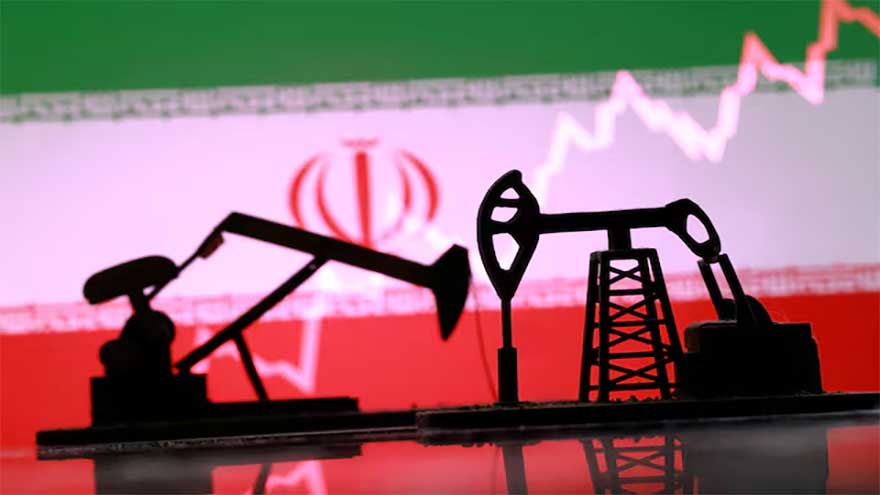
Crude oil prices jumped above $106 a barrel as political unrest continued to shake the worlds key oil producing region. In currencies, dollar moved up against euro but fell against yen. The uncertainty over the outcome of a bloody rebellion in Libya aimed at overthrowing longtime strongman Moammar Gaddafi, outweighed any optimism over improving employment figures out of the US.Japans benchmark Nikkei 225 stock average dropped 1.7 percent, to 10,510.94. Sentiment in Tokyo was downbeat on growing political uncertainty after Japans foreign minister resigned on Sunday over illegal political donations, dealing a new blow to Prime Minister Naoto Kans embattled administration.Toyota Motor Corp, the worlds largest car maker, dropped by 2.7 percent, hurt not just by oil prices but also a credit rating cut on Friday by Standard & Poors due to profitability concerns. Other exporters suffered amid the uncertainty, including Honda Motor Corp, down 3.5 percent, and Canon Inc, down 2.4 percent.Hong Kongs Hang Seng was down 0.2 percent to 23,443.57. Among notable losers was state-owned Air China Ltd, drooping 3.8 percent on fears of rising oil prices. South Koreas Kospi shed 0.6 percent to 1,993.62, with flagship carrier Korean Air Lines Co Ltd sliding 3.8 percent and the smaller Asiana Airlines Inc plummeting 5.7 percent.Elsewhere, Australias S&P/ASX 200 index declined 1.3 percent to 4,801.60, while the Shanghai Composite index was up 1.4 percent at 2,984.53. Shares in Singapore and New Zealand also rose.Because serious disruptions in oil production could put the global economic recovery in jeopardy, traders are closely watching Libya, where fighting between government supporters and its opponents has cut oil production in the OPEC nation in half. Investors are also concerned violent protests and political upheaval could intensify in the rest of the region, where Iran, Iraq, the United Arab Emirates, Kuwait, Bahrain, Qatar, Oman and Saudi Arabia have more than 60 percent of the worlds proven oil reserves.Analysts at Citigroup Global Markets, in raising their average Brent Oil estimate from $100 to $105 for 2011, said in a report Monday that the unrest seems contagious and as more countries are affected, low-risk regimes can become higher risk.Kuwait, in particular, seemed vulnerable as groups there have called for mass demonstrations outside parliament Tuesday to demand that the government step down. If any of the more heavyweight OPEC producers are caught in the storm the potential impact on price increases, the report said.Soaring oil prices spooked investors on Wall Street with the Dow Jones industrial average losing 88.32 points, or 0.7 percent, to 12,169.88. The fall came even though US businesses added 222,000 jobs in February, the most since April 2010, and unemployment has fallen almost a full percentage point in three months.Benchmark crude for April delivery was up $1.67 at $106.09 a barrel in electronic trading on the New York Mercantile Exchange. The contract gained $2.51 to settle at $104.42 a barrel on New York Mercantile Exchange, the highest level since Sept. 26, 2008. In currencies, the dollar dropped to 82.24 yen from 82.27 yen in New York late Friday. The euro slipped to $1.3969 from $1.3984.