Updated on
Summary The EU banned Iranian crude and other countries have cut purchases in response.
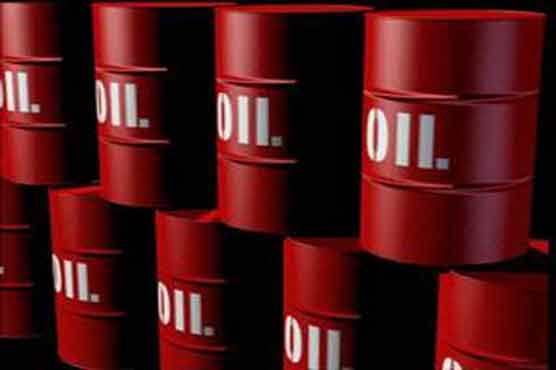
Irans oil supply, which has fallen to the lowest in more than two decades, is unexpectedly continuing to decline due to Western sanctions, putting further strain on the countrys financial resources.In a report on Friday, the International Energy Agency estimated Iranian supply fell by 220,000 barrels per day (bpd) to 2.63 million bpd in September, a steeper decline than other estimates of Iranian output last month.The drop in Iranian supply is supporting oil prices and hurting Tehrans oil revenues, deepening hardship for a population deprived of basic imports and adding pressure on the government over its nuclear programme.Some industry sources had expected to see Iranian exports bottoming out in August and September as customers found ways to get around difficulties in obtaining insurance, such as by using Iranian tankers. The IEA did not confirm this.Whereas many expected the sanctions to lose some bite in September as Iranian exporters and some of their clients were reportedly seeking ways to get around insurance constraints, in fact compliance appears to have tightened, the IEA said.The European Union banned Iranian crude from July 1 and other countries have cut purchases in response to tighter U.S. sanctions. The EU ban prevents EU insurance firms from covering Irans exports, hindering imports by some non-EU buyers.Industry sources said on Friday Iranian shipments may fall further in coming months as Irans tanker fleet has been struggling to meet delivery schedules and customers have found securing adequate insurance cover a challenge.The Asian buyers have shipping issues around deliveries, said a source with a company that used to buy Iranian oil. If they dont find solutions around shipping, we may see a further decline in exports.