Updated on
Summary Eurozone launches 500-billion-euro rescue to settle Greece, Spain economic vows.
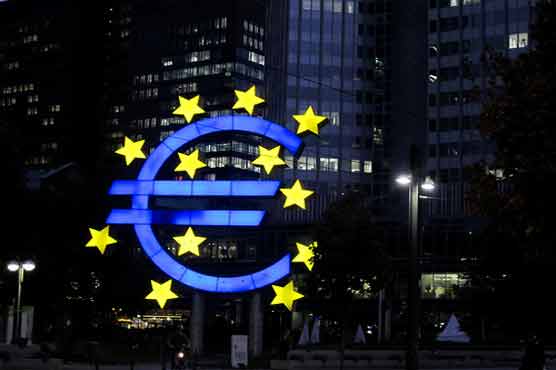
Finance ministers of the 17-state euro bloc gather just 10 days before the European Unions 27 leaders meet in Brussels, with recent market calm giving them some breathing room after months of turmoil and anxiety over Spains future.The meeting will see the formal launch and inaugural board meeting of the European Stability Mechanism, a key step forward in the eurozones defences against the debt crisis which has helped push the bloc back into recession.The fund is not yet operational, however.Ministers will sign legal papers instituting the fund, which was initially due to enter service on July 1 but was delayed by a challenge at the German Constitutional Court.The ESM will have 200 billion euros ($260 billion) of working funds once the first instalments of government capital are paid in by the end of the month, on top of about another 150 billion euros still available in a temporary fund, the European Financial Stability Facility.It is another very important instrument with an important funding capacity comparable only with the IMF, said European Commission President Jose Manuel Barroso on Monday.Some years ago it would have been unthinkable to mention a kind of European Stability Mechanism of this magnitude, he said, adding he was fully confident that eurozone governments would continue to show our common determination facing the challenges and difficulties that we know still exist.Recent data shows Europe back in recession and threatening to slip further into the doldrums.EU officials said on Friday that they did not expect Greece to get the green light, either in Luxembourg or at the October 18-19 Brussels summit, for the resumption of its drip-feed bailout after differences with its Commission, European Central Bank and International Monetary Fund creditors.The EU, IMF and ECB, the so-called troika, have been locked in discussions on more austerity with Greece which insists it has done as much as it can and now needs more time to meet the targets required.Greek Prime Minister Antonis Samaras said on Friday that the country could not take more tough medicine and if its next aid instalment worth 31.5 billion euros ($40.6 billion) did not arrive soon, then by November state coffers would be empty.German Chancellor Angela Merkel is due in Greece on Tuesday and her visit may allow some easing of the tensions which have built up but the October summit comes considerably too early to resolve the problems, a senior EU official said on Friday.The position has become more complicated after eurozone hardliners Germany, the Netherlands and Finland questioned commitments made at a June EU summit, which notably agreed that the ESM would be able to recapitalise banks directly once a single banking supervisor was in place, potentially by the end of the year.The three said the ESM should not be used to help banks bailed out before it became operational -- a stand on legacy assets which was very unwelcome for Spain and bailed-out Ireland, another EU official said.In the run-up to the eurozone and EU finance ministers meeting in Luxembourg on Monday and Tuesday, Spain has been in the spotlight over whether or not it would ask for a bailout, thereby activating the ESM and action by the ECB.The ECB has said it will intervene, buying up government bonds to bring down their borrowing costs but only if a member state first asks the ESM for help -- which will also come with conditions for reforms.Spanish Economy Minister Luis de Guindos said on Thursday that Madrid did not need a bailout at all and insisted that the governments tough austerity policies were putting the country on the right track.Briefings all suggested on Friday that finance ministers did not expect any imminent developments on Spain, one official maintaining that market conditions are totally distant from any need for a full, macro-economic adjustment programme.