Updated on
Summary American products manage to find way into Iranian marketplace despite economic sanctions.
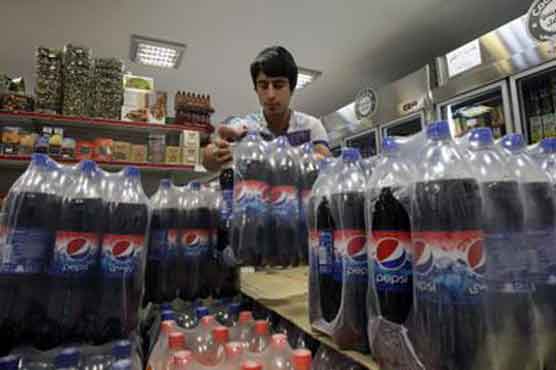
The routes are varied: back channel exporters, licensing workarounds and straightforward trade for goods not covered by the U.S. embargoes over Irans nuclear program.It offers lessons in the immense difficulties facing Western attempts to isolate Irans economy, which has deepening trade links with Asia where distributors serve as middlemen to funnel U.S. and other goods to Iranian merchants. But sanctions are also battering Irans currency and driving up costs for all imports, which could increase domestic pressures on Irans ruling system.Although the number of Made-in-America items in Iran is dwarfed by the exports from Europe, China and neighboring Turkey, some of the best-known U.S. brands can be tracked down in Tehran and other large cities. Its possible to check your emails on an iPhone, sip a Coke and hit the gym in a pair of Nikes.Im always looking for what new Apple products are in the windows, said Kamyar Niaki, a 19-year-old freshman at Tehrans Azad University, as he played Angry Birds on his iPhone 4S about $800 in Iran at a northern Tehran shopping mall popular with young people for its selection of computers, mobile phones, software and apps.The iPhones and other Apple products typically enter Iran through networks in Dubai or from Asian distributors, which also ship everything from lower-cost MacBook fakes to bogus Levis and Tommy Hilfiger.Similar trade routes from the Far East or nearby Dubai also bring in Westinghouse appliances, Microsoft programs. And they were probably also responsible for the Epiphone model guitar by Nashville-based Gibson that Ali Mahmoudi bought for his oldest son last week for about $1,200 more than double the price in the United States.My son learned from his classmates in high school that American guitars are still the best, said Mahmoudi, an engineer.Middle-aged Iranians have memories of a time when stores were awash with U.S. products and the Cadillac was the gold standard on the roads, which still have some Detroit behemoths from the 1970s weaving through Tehrans relentless traffic.The U.S. became vilified as the Great Satan after the 1979 Islamic Revolution, and chants of Death to America remain a staple at Friday prayers at Tehran University. But even Irans leadership could not stamp out the taste for Coke and Pepsi.Both iconic American drinks have been mainstays for years in one of the Middle Easts largest consumer markets with 75 million people. The U.S. Treasury sanctions on Iran give some leeway for food and beverages, allowing The Coca-Cola Co. and PepsiCo to work through non-U.S. subsidiaries to ship their syrup to Iranian bottlers and distributors.Its brought some backlash from hard-liners who cringe at the popularity of Coke and Pepsi at the expense of local rival Zamzam Cola, named after a venerated well in the Islamic holy city of Mecca. Zamzam is owned by a government-backed foundation. Yet in the cola wars, Iran is struggling.Reza Kazemi, a worker at a government-owned Tehran hospital, carried a family-size Coke 1.5 liters at the equivalent of 50 cents among his groceries from a shop in downtown Tehran. My wife and three children like it, he said. Its delicious.The same shop stocks Gillette razors and Pampers diapers, both made by Procter & Gamble Co., whose health care products are not blocked by sanctions.Since a long time ago, Iranians have learned that American products are among the best, said Masoud Mohajer, an economic columnist who writes for Iranian newspapers and journals. If the government bans them, they will infiltrate the Iranian market through smugglers since there is a market for them because of their reputations.Last year, American companies exported $229 million worth of products to Iran not blocked by sanctions, according to U.S. government and independent figures cited by the U.S. Institute of Peace. The list is as eclectic as it gets: Frozen bull semen, artificial teeth, chewing gum, cranberries, toothpicks and antibiotics. The top U.S. export last year: more than $11.2 million worth of butter.