Updated on
Summary Germany has moved ahead with eurozone measures in order tackle current issues.
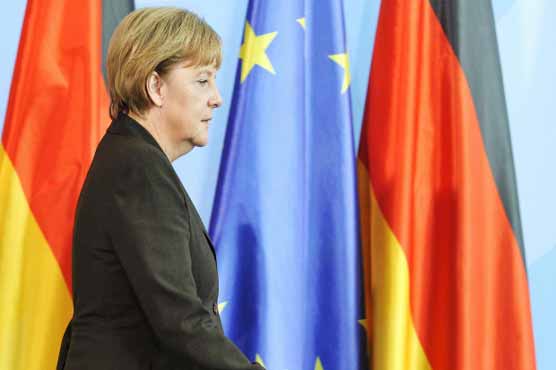
Europes financial crisis looks less menacing than it has in many months, but the steps taken by countries most threatened by high debts and weak economies arent the main factor.What has changed more than anything else has been German Chancellor Angela Merkels willingness to put her countrys financial resources and pride on the line to help save the euro currency union.The backlash from some quarters including inside her own party has been fierce, yet for Merkel there appears to be no turning back. At stake is the concept of European unity that has been at the heart of German foreign policy since the end of World War II.There has been a very clear criticism of Merkels government that she always addressed European policies from the national perspective, but in my opinion shes not doing that, at least not in the last few months, said Julia Langbein, a political scientist at Berlins Free University. Shes attempting to keep this European project going and not to let the euro go down, despite tough political criticism.Most recently, Merkel has stood behind an ambitious plan by the European Central Bank to buy unlimited amounts of government bonds to help lower borrowing costs for countries struggling to manage their debts. As Europes biggest economy, Germany has more at stake than anyone else if countries default on their bonds and the ECB is forced to take losses.By contrast, the reactions to the ECB plan from some German media and politicians, and the head of the countrys central bank who fears runaway inflation will follow were strongly negative.Rainer Bruederle, the parliamentary leader of Merkels Free Democrats coalition partners, said it was fatal to keep buying up new bonds from indebted countries.Bundesbank President Jens Weidmann said heavily indebted countries would be less likely to adhere to austerity measures because central bank financing can become addictive like a drug.Germanys top-selling Bild newspaper proclaimed that Draghi had issued a blank check for indebted countries.Merkels support for the ECBs controversial bond-buying plan is the latest example of where she has taken a more pragmatic and flexible approach to the eurozones problems than she appeared willing to do earlier on in the crisis that began nearly three years ago.At a summit in Brussels in June, European leaders agreed to a bold plan to pump cash into troubled banks, reduce borrowing costs for Italy and Spain and stop forcing austerity on every government that needs aid. The agreement was only possible after Merkel agreed to measures that months earlier she said she would not accept.When it comes to Greece, Merkel still insists on tough austerity in exchange for aid, but she has guided German officials to take a softer tone publicly. She has admonished members of her governing coalition whove said the eurozone would be better off without Greece and said it made ones heart bleed to see the Greek people struggling in the face of pension cuts and other burdens for the good of their country.On Wednesday, Germanys Federal Constitutional Court which is akin to the United States Supreme Court is expected to allow Germany to ratify the €500 billion permanent bailout fund for Europe called the European Stability Mechanism and Europes new budget-discipline pact.The court case was brought by a broad coalition of critics of the deal who claim the pact that was drawn by Merkel and the other eurozone countries in December 2011 unduly limits the German Parliaments ability to control the countrys budget.While backing various measures aimed at helping struggling countries, Merkel hasnt let up on insisting that eurozone members stick to tough fiscal targets. The way the permanent bailout fund is structured Germany has a de facto veto over applications for emergency funding. Voting rights are weighted according to contributions, and since Germany is guaranteeing 27 percent of the €700 billion coming from across Europe, it is impossible for an emergency application to gain the approval needed unless Germany is on board.Without Germany, it doesnt happen, Langbein said.The same can be said for the ECBs bond-buying plan. The program announced by ECB President Mario Draghi on Thursday says countries that want the central banks help must first request emergency aid from the bailout fund controlled by Germany and the 16 other nations that use the euro.While the ECB plan is the most significant step to date in stemming Europes financial crisis, the regions economic problems are far from over: the 17-country eurozone has six countries in recession and unemployment across the region is at 11 percent. The budget-cutting that countries are implementing to reign in their deficits is only going to make matters worse in the near-term.Still, European financial markets have been relatively calm all summer. They have enjoyed an extra boost ever since Draghi hinted and Merkel signaled her approval of the bond-buying program. Back in July, the interest rate on Spains 10-year bonds was 7.54 percent now they are back down to 5.64 percent. Italy has seen a similar drop from 6.36 percent to 5.02 percent.Merkels recent flexibility stands in contrast to her image earlier in the year. Back then there was no sign of Merkel backing anything but a strict adherence to budget cutting and fiscal discipline to solve the eurozones crisis. Germany, and its chancellor, were portrayed as the only things stopping the region from introducing measures to get the economy growing again.This might have something to do with how Germanys economy is progressing. It has been doing much better than others in the debt-troubled eurozone but there are increasing signs that Germany isnt immune to the regions crisis. This month, the countrys Economy Ministry warned that while industrial orders from inside Germany were 1 percent higher, new orders from other countries in the eurozone were 0.6 percent lower.Merkel will have a struggle on her hands now she has decided to put her country firmly behind the future of the eurozone, according to Isabell Hoffmann, project leader for the Bertelsmann Stiftungs European politics team. This is a real political conflict that is going on here, she said.There is a real political fight going on over how this integration is supposed to proceed and who has their say in what, and how far we want to go.